
FAT FREEZING Treatment
(Cryolipolysis)
Non-Surgical
Fat Reduction
Cryolipolysis uses controlled cooling to reduce localised pockets of fat beneath the skin. It is intended for body contouring, not general weight loss, and does not involve surgery.
How Fat Freezing Treatment Works
Cryolipolysis uses controlled cooling to treat pockets of fat beneath the skin. The applicator cools the selected area, exposing fat cells to temperatures that can damage them while limiting exposure to surrounding tissue. It is a body-contouring procedure, not a substitute for weight loss.
1. Targeted Cooling Technology
Before the machine is switched on, the practitioner covers the treatment area with a protective gel pad. The applicator is then fitted over the selected area. Some machines use suction to hold the fatty tissue inside the cup while cooling takes place.
2. Selective Fat Cell Freezing
The applicator cools the area being treated, exposing the underlying fat to low temperatures. The skin may look red or feel numb afterwards, and some people notice bruising or tenderness during the following days.
3. Natural Elimination of Fat Cells
Benefits of Fat Freezing Treatment
Non-Surgical Fat Reduction
The treatment uses a cooling applicator rather than surgical instruments or injections. There are no incisions, although the treated area can feel tender or numb after the appointment.
Reduction of Treated Fat Cells
Cryolipolysis damages fat cells within the selected area. Once cleared, those particular cells are gone, but the remaining fat cells can still enlarge if your weight increases.
Long-Lasting Results
The change is not always obvious in the first few weeks. Fat reduction is usually assessed after the treated area has had sufficient time to respond, often around two to three months after the procedure.
No Downtime, No Surgery
You won't have surgical wounds or stitches to recover from. Some tenderness, bruising or numbness may remain after the appointment, but these effects do not usually prevent a return to everyday activities.
Boosts Confidence & Body Contour
A stubborn bulge around the waist, thighs or back can affect how certain clothes sit. Reducing the thickness of fat in that area may make its outline less prominent.
Suitable for Multiple Body Areas
The applicator and treatment approach need to match the area being addressed. The abdomen, flanks, thighs, upper arms and back are among the areas that can be assessed during a consultation.
Controlled Cooling Technology
Cryolipolysis has been studied for reducing localised fat without surgery. The equipment, applicator and treatment settings matter, so the practitioner should explain which device is being used and whether it is appropriate for the area.
Targets Even The Most Stubborn Fat
Diet and exercise can change overall body fat without necessarily removing every localised bulge. Fat freezing is intended for selected pockets of fat that can be grasped by the treatment applicator.
Fat Freezing Treatment Results - Timeline & Before-After
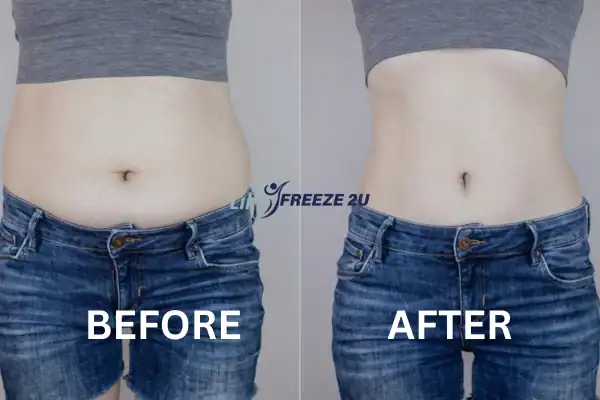
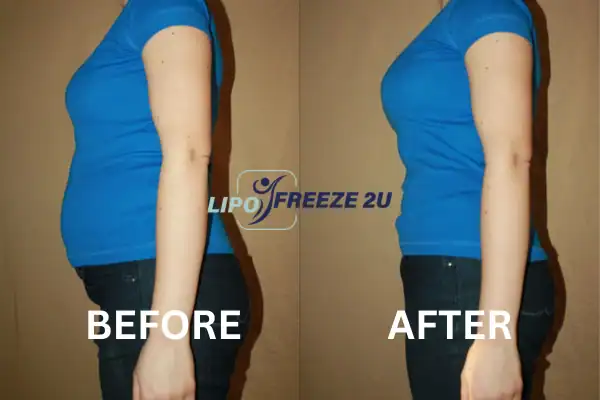
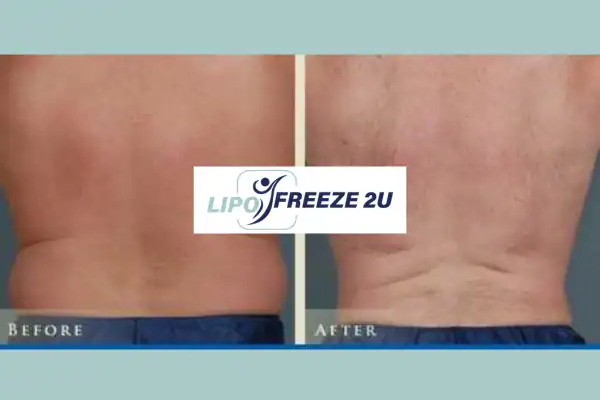
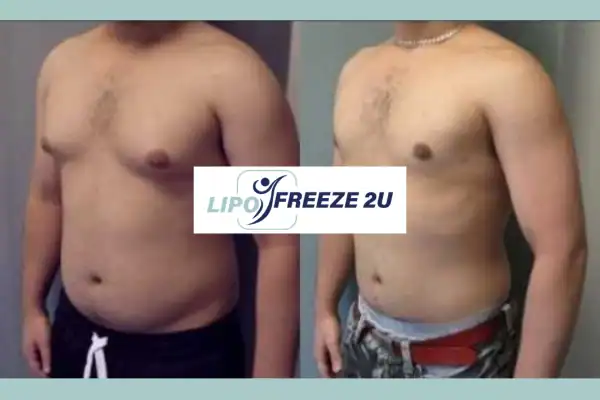
These photographs show examples of areas treated with cryolipolysis at Lipo Freeze 2U. Look at the changes in the treated areas, bearing in mind that results can differ from one person to another.
Real Clients. Real Results.
The photographs were taken before and after treatment to show the changes in body contour. Fat reduction is not immediate, so the timing of the follow-up photographs is important when comparing results.
What You Can Expect:
- A smaller-looking bulge in the treated area
- Changes to the outline of the waist, abdomen or other treated region
- A gradual reduction in the thickness of the targeted fat layer
- Results that may be maintained when body weight remains relatively stable
Suitable for all areas of the body such as:
Lower back, Upper back, Outer thighs, inner thighs, lower abdomen and so much more!

Frequently Asked Questions (FAQ) About Fat Freezing Treatment
Q: What is fat Freezing treatment ?
Fat freezing, also called cryolipolysis, uses controlled cooling to reduce selected pockets of fat beneath the skin. It is intended for people concerned about localised bulges rather than those looking to lose weight generally. No surgical incisions are involved.
Q: How does the fat freezing procedure work?
The practitioner places a protective membrane over the skin and positions the cooling applicator over the selected area. Depending on the machine, suction may draw the tissue into the applicator. Once the cooling cycle is complete, the equipment is removed and the treated area is checked.
Q: Is fat Freezing safe?
Cryolipolysis has known side effects, even when the procedure is carried out correctly. Redness, bruising, swelling, tenderness and numbness are among the reported reactions. A rare complication called paradoxical adipose hyperplasia can cause the treated area to become larger instead of smaller. Your medical history and suitability should be checked beforehand.
Q: Who is a good candidate for fat Freezing?
Someone close to their preferred weight, with a clearly defined pocket of pinchable fat, may be considered for treatment. It is not designed for obesity or general weight reduction. Certain conditions involving sensitivity to cold can rule out the procedure altogether.
Q: How does the fat freezing treatment feel?
The first few minutes can feel quite intense. You may notice pulling from the applicator and a strong cold sensation against the skin. Numbness usually follows as the area cools. Some people also experience aching, tingling or tenderness once the treatment has finished.
Q: When will my fat freezing results show up?
Changes can take several weeks to become noticeable. The treated area is commonly reviewed after two to three months, although further changes may occur beyond that point. Your practitioner can advise when it makes sense to assess the outcome.
Q: How long do fat freezing results last?
The fat cells removed through treatment do not simply grow back. However, the procedure does not stop weight gain. If you put on weight afterwards, the remaining fat cells can enlarge and change the appearance of the treated area.
Q: Are there any post-treatment restrictions?
There is generally no need to take time off work. You might notice bruising, tenderness or numbness around the treated area, so strenuous activity may be uncomfortable for a short period. Follow the aftercare instructions provided by your practitioner.
Q: Can I combine fat Freezing with other treatments?
Cryolipolysis and skin-tightening treatments address different concerns. Someone with localised fat and loose skin may wish to discuss both approaches. The order and timing of treatment should be decided after assessing the area and allowing for recovery.
Q: What are the more uncommon side effects/risks of fat Freezing?
Most reactions affect the treated area and settle without further treatment. There are, however, some less common complications to be aware of:
Paradoxical adipose hyperplasia (PAH): The treated area develops a firm enlargement instead of becoming smaller. It may appear several months after treatment and can require surgery.
Prolonged numbness: Changes in sensation can sometimes last longer than expected.
Cold injury: Incorrect application or excessive exposure can damage the skin.
Skin changes: Pigmentation changes, persistent tenderness or irregularities in the treated area can occur.
Discuss these possibilities with your practitioner before deciding to proceed.
Q: How do I prepare for a fat freezing session?
There is usually little preparation involved. Before attending, make sure you have discussed your medical history and any previous procedures involving the treatment area. Wear comfortable clothing and leave the skin free of oils or lotions on the day if advised by your practitioner.
Q: How many fat freezing sessions will I need?
One appointment may be enough for someone seeking a modest change in a small area. A larger or more pronounced bulge may need a different approach or further sessions. It is better to assess the first treatment’s outcome before deciding whether another is worthwhile.
Fat Freezing Treatment Who Is It For?
Fat freezing is generally considered by people who are happy with their overall weight but have particular areas of fat they would like to reduce. The treatment is designed around localised fat deposits, not substantial weight loss.
Ideal Candidates Include:
✔ Those Close to Their Ideal Weight
Fat freezing may be worth considering if your weight is relatively stable but you still have a localised bulge you would like to reduce. A practitioner can examine the area and decide whether there is enough suitable fat for the applicator to treat.
✔ People with Stubborn, Hard-to-Shift Fat
Some people find that their abdomen, flanks, thighs or upper arms retain pockets of fat even after changes to their lifestyle. These areas can be examined to see whether the available applicator is suitable.
✔ Men and Women Wanting Non-Surgical Contouring
Men and women can both enquire about cryolipolysis. What matters is the amount and position of the fat, the condition of the skin and whether the treatment can be carried out safely.
✔ People Comfortable with Gradual Changes
The treated area won’t look different as soon as the appointment ends. The reduction takes place over the weeks that follow, which is worth considering if you have an event or occasion coming up.
✔ Those Wanting Long-Lasting Results
People looking for a lasting reduction in a particular fat pocket may consider this procedure. The treated cells are gradually cleared, but maintaining a relatively stable weight remains important.
Who May Not Be Suitable?
A history of certain medical conditions can make exposure to controlled cold unsuitable. The practitioner should check for these before recommending treatment.
Cold-related conditions such as Raynaud’s disease, cold urticaria or cryoglobulinaemia
Poor circulation in the proposed treatment area
A hernia or weakened abdominal wall near the intended treatment site
Pregnancy or breastfeeding
Very loose skin or insufficient pinchable fat
Other medical conditions that may make cold exposure unsuitable
In our consultation, before recommending fat freezing, we need to know about your health and examine the area you want treated. If the applicator cannot be fitted properly or the procedure is unsuitable, we can discuss other options during your consultation.